
how to adjust your fitness schedule for the fall back time change
How to Adjust Your Fitness Schedule for the Fall Back Time Change
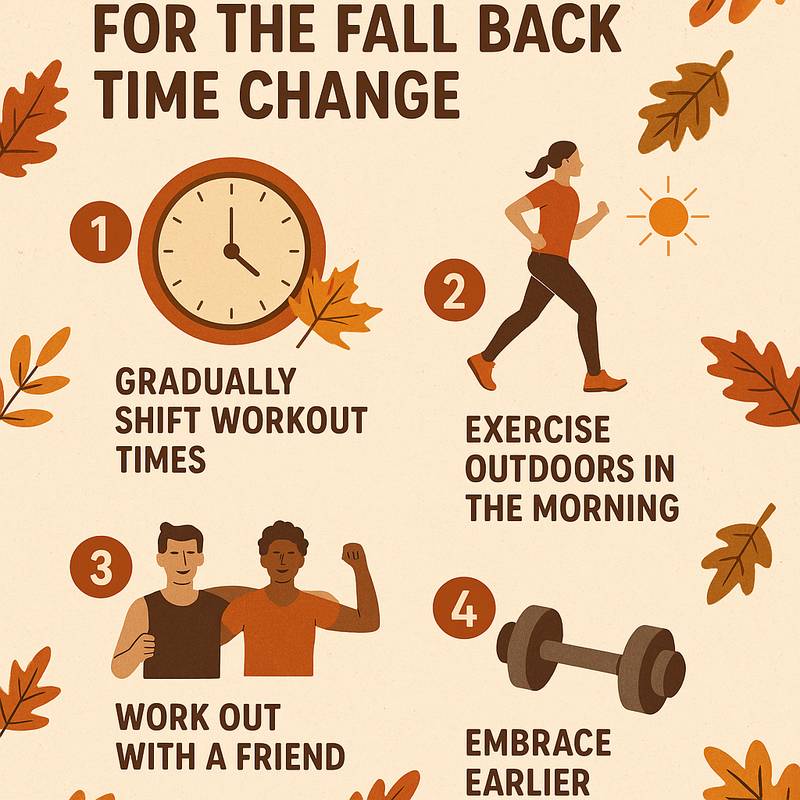
The fall back time change can throw off a solid routine faster than most people expect. A few smart schedule shifts and reliable indoor options can help you stay active through fall and winter.
If you are figuring out how to adjust your fitness schedule for the fall back time change, the best move is usually not a total reset. It is a small, deliberate shift: move your workout time gradually, expect darker evenings to change your routine, and set up indoor options before missed workouts start stacking up.
That matters because the clock change is only part of the challenge. Fall and winter also bring less daylight, colder weather, holiday schedule pressure, and a drop in motivation for many people. Protecting your routine starts with making it easier to repeat.
Why the fall back time change disrupts routines more than people expect
When daylight saving time ends, the clock changes by one hour, but the bigger issue is what that does to your day. Even if you technically gain an hour, your usual training slot can suddenly feel off. Evening exercisers notice darkness earlier. Morning exercisers may feel a temporary advantage from brighter early light. Either way, your routine stops feeling automatic.
So, how does the fall back time change affect workout routines? Usually in a few practical ways:
- Your normal workout time feels earlier or later than it did before
- Evening outdoor exercise becomes less appealing once it gets dark sooner
- Colder weather adds friction to walking, running, or commuting to a workout
- A schedule that worked in late summer no longer fits your energy or daylight
The main problem is rarely the one-hour change by itself. The bigger problem is that people keep trying to force a warm-weather routine into a cold-weather season.
How to shift your workout schedule without losing momentum
The easiest transition is gradual. If your routine suddenly feels harder to keep, do not wait until you have skipped a week. Adjust early.
A practical approach:
- Move workouts by 15 to 30 minutes for several days
- Test an earlier start if dark evenings make you less likely to follow through
- Keep sessions shorter for a week or two instead of skipping them
- Put workouts on your calendar like fixed appointments
- Prep clothes, shoes, water, or a gym bag the night before
People often ask, should you work out earlier or later after daylight saving time ends? The answer is simple: choose the time you can repeat most consistently.
If darker evenings lower your motivation, earlier is usually better. If your best option is an indoor class or gym session after work, later can still work well because structure removes decision-making. There is no perfect time slot if you cannot sustain it.
How to build a fall and winter routine that works on darker, shorter days
Fall and winter are a good time to simplify. A realistic routine beats an ambitious one every time.
Instead of trying to match your summer schedule, rebuild around convenience and repeatability. That might mean:
- Committing to three dependable workout days instead of chasing six inconsistent ones
- Pairing strength training with walking, mobility, or short cardio sessions
- Keeping one or two indoor backup workouts ready each week
- Planning around daylight, not ignoring it
- Lowering the pressure to perform while keeping the habit intact
This is also the best answer to what are practical ways to stay motivated in fall and winter. Motivation is unreliable. Systems are not. When your plan fits the season, you do not need to negotiate with yourself every day.
A good seasonal routine should answer three questions clearly:
- When will I work out?
- What will I do if the weather changes?
- What is my minimum version of success this week?
For many people, the minimum version might be three completed workouts, two strength sessions, or a set amount of movement across the week. That creates continuity, which matters more than intensity during seasonal transitions.
Why indoor workouts make consistency easier through the colder months
How can indoor fitness options help maintain consistency? They reduce the number of excuses your environment can create.
Indoor workouts remove several common barriers at once:
- Darkness
n- Rain, wind, or cold - Safety concerns with outdoor movement after sunset
- The mental effort of deciding what to do every day
They also create structure. A scheduled class, guided workout, or planned strength session gives your week shape. That is especially helpful when your energy is less predictable and your outdoor options shrink.
Useful indoor options include:
- Group fitness classes
- Strength training sessions
- Guided programs with instructor support
- Cardio paired with mobility work
The less friction between you and the workout, the more likely you are to keep going from November through winter instead of restarting in January.
Which exercises deserve more attention in fall and winter
During colder months, many adults move less without realizing it. Daily walking may drop. Stiffness can increase. General activity becomes more limited. That is why certain types of training become even more valuable this time of year.
If you are wondering what types of exercise support balance, strength, and mobility during colder months, focus on movements that help you stay capable in everyday life.
Strength and functional movement help maintain muscle mass and joint stability, which makes daily tasks easier. Mobility work helps counter stiffness and keeps movement more comfortable. Balance-focused exercise improves coordination and stability, which is especially important for older adults because better balance helps reduce fall risk.
A smart mix often includes:
- Strength training with controlled, functional exercises
- Mobility and flexibility work for joints and range of motion
- Balance exercises done safely and progressively
- Steady cardio indoors when weather limits outdoor activity
For active older adults, the goal is not extreme training. It is staying strong, mobile, and confident enough to keep doing everyday activities well.
A practical indoor option for active adults at Lakeridge
If you want more structure during the seasonal shift, supportive indoor classes can make consistency easier.
At Lakeridge Athletic Club, Senior Fitness Classes with Yvette are designed for active adults of all fitness levels. The classes focus on mobility, balance, functional strength, flexibility, and overall wellness. They also include modifications and guidance to help participants feel comfortable and successful.
That makes them especially relevant in fall and winter, when many people benefit from clear instruction, a consistent schedule, and exercise that supports everyday movement.
Senior Fitness Classes with Yvette are held every Tuesday, Thursday, and Saturday. Readers can check the group fitness schedule for current class times and explore other indoor class options throughout the week.
The fall back time change is a good reminder that routines need to change with the season. You do not need a dramatic overhaul. You need a plan that still works when days are shorter, evenings are darker, and your summer habits no longer fit.
Start with small schedule shifts. Keep your routine realistic. Use indoor options to lower friction. Prioritize strength, mobility, and balance so you can keep moving well all season long.
Frequently Asked Questions
For many people, the first one to two weeks are the main adjustment period. Shifting workouts by 15 to 30 minutes and keeping a consistent weekly schedule usually makes the transition easier.
If darkness, weather, or colder temperatures make your usual routine harder to maintain, indoor workouts are often the most practical option. They reduce missed sessions and make it easier to follow a predictable plan.
A balanced routine that includes strength, mobility, flexibility, and balance work is a strong place to start. Indoor classes with clear instruction and exercise modifications can also help active older adults stay consistent and comfortable during colder months.