
martial arts offered at Lakeridge Athletic Club
A Clear Guide to the Martial Arts Offered at Lakeridge Athletic Club
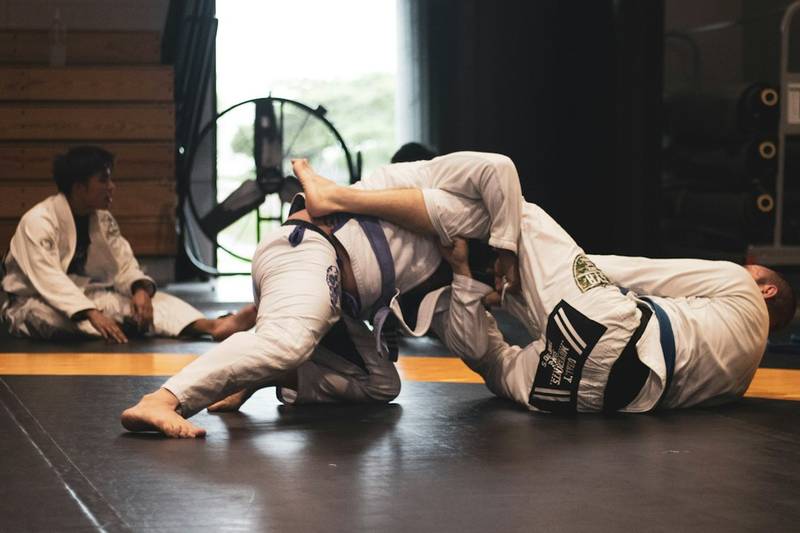
Lakeridge has offered judo, Brazilian jiu-jitsu, Tai Chi, and Qigong. This guide explains what each style focuses on so prospective members can compare options and decide what to ask before signing up.
If you're comparing the martial arts offered at Lakeridge Athletic Club, the main thing to know is that the options are not all trying to do the same job. Lakeridge offers Judo, Brazilian jiu-jitsu, Tai Chi, and Qigong.
Some are hands-on grappling arts built around technique and control. Others are slower mind-body practices focused on balance, breath, and coordination.
That distinction matters. A parent looking for a youth martial arts program usually has different priorities than an adult who wants a lower-impact class. This guide breaks down each style in plain language so you can decide what fits your goals, then contact Lakeridge to confirm current availability, schedules, and enrollment details.
Explore the martial arts offered at Lakeridge Athletic Club
Lakeridge Athletic Club is a full-service fitness resort in El Sobrante with programs for different ages and experience levels. The club has offers:
- Judo through the Lakeridge Judo Club
- Brazilian jiu-jitsu through El Sobrante Jiu Jitsu at Lakeridge
- Tai Chi as a slower, form-based practice
- Hun Yuan Chi Gung / Qigong as a breath-and-movement practice
For a beginner, the easiest way to separate these options is this:
- Judo and Brazilian jiu-jitsu are grappling arts.
- Tai Chi and Qigong are gentler mind-body disciplines.
So if your question is, What martial arts styles are offered at Lakeridge? the answer is broader than “fight training.” Lakeridge's offerings have included both contact-based martial arts and calmer movement practices.
What martial arts and mind-body programs has Lakeridge offered?
Here is the quick comparison:
Judo
Judo emphasizes throws, balance, posture, timing, and body control. It teaches students how to move efficiently, off-balance an opponent, and work from grips and standing exchanges.
Brazilian jiu-jitsu
Brazilian jiu-jitsu, often called BJJ, focuses more on ground control, positional strategy, escapes, and submissions. It rewards patience and technique more than strength.
Tai Chi
Tai Chi is a slower, structured practice built around controlled movement, body awareness, coordination, and focus. It appeals to people who want martial arts roots without the intensity of sparring or grappling.
Qigong
Qigong centers on flowing movement, breathing, mindfulness, and movement from the center of the body. It is often a good fit for people who want a restorative class with martial arts influence.
Judo: throws, balance, and disciplined movement
Judo is often a strong choice for students who like active learning, structured progression, and partner work. It is known for throws and takedowns, but beginners usually discover that judo is really about timing, leverage, and balance.
That makes it valuable for both kids and adults. For kids, judo can support coordination, focus, and listening skills in a class environment that rewards discipline. For adults, it offers a technical challenge and a full-body workout without requiring prior experience in striking arts.
Judo may be the better fit if you want:
- More standing technique and throwing mechanics
- A traditional martial arts structure
- Balance, movement skill, and disciplined practice
- A youth-friendly option with technical depth
Brazilian jiu-jitsu: ground technique, control, and practical skill
If you have ever wondered, What is the difference between judo and Brazilian jiu-jitsu? the simplest answer is this: judo is more associated with throws and standing exchanges, while Brazilian jiu-jitsu spends much more time on ground positions, control, escapes, and submissions.
BJJ tends to attract people who enjoy problem-solving. A smaller person can learn to use angles, leverage, and positioning instead of relying on power. That is one reason it remains popular with beginners who want a martial art that feels technical and practical.
BJJ may be the better fit if you want:
- A grappling art focused on ground control
- A technical, strategy-heavy learning experience
- A class where progress comes from repetition and problem-solving
- Options that have included both youth and adult participation in posted materials
For many adults, BJJ answers the question, Which martial art is best for beginners? especially if they prefer technique over impact. But “best” depends on what kind of experience you want.
If you're asking, Are there martial arts options for kids and adults?
Yes both of Lakeridge's Judo and Brazilian jiu-jitsu classes are available for kids.
If you dislike close-contact grappling, Tai Chi or Qigong may be a better starting point.
Tai Chi and Qigong: gentler mind-body options at Lakeridge
Not everyone looking at martial arts wants a contact sport. That is where Tai Chi and Qigong stand out.
Tai Chi: calm, focused movement
Tai Chi at Lakeridge is taught in Yang style. Tai Chi is known for deliberate movement, posture, sequencing, and concentration. People are often drawn to it because it feels approachable while still offering depth. Instead of rushing, the practice asks you to slow down and move with intention.
This can be a strong option for adults who want better body awareness, coordination, and a calmer training environment.
Qigong: breath, flow, and mind-body wellness
Hun Yuan Chi Gung / Qigong is taught at Lakeridge and focuses on flowing movement, breath, mindfulness, relaxation, balance, strength, and movement originating from the center.
How to choose the right style for your goals
A simple way to decide is to match the style to the experience you want.
Choose judo if you want dynamic movement, throws, balance, and a traditional grappling format.
Choose Brazilian jiu-jitsu if you want ground technique, control, and a tactical learning process.
Choose Tai Chi if you want slower movement, focus, and a low-pressure introduction to martial arts principles.
Choose Qigong if you want breath-led movement, mindfulness, and a gentle class built around flow and body awareness.
For parents, the best starting question is not “Which style is better?” but “Which class format will help my child stay engaged and keep learning?” For adults, the better question is “Do I want contact training, or do I want mindful movement?”
Before you join a class, here’s what to confirm
Before attending, confirm:
- Current class days and times
- Whether the class is for kids, adults, or both
- Instructor and program availability
- How registration or first-time attendance works
- Which classes are available for non-club members?
Take the next step at Lakeridge
The martial arts offered at Lakeridge Athletic Club cover a wider range than many people expect. If you want a grappling-based class, judo and Brazilian jiu-jitsu are worth comparing. If you want a slower, more meditative option, Tai Chi and Qigong may be a better fit.
The best next move is simple: contact Lakeridge Athletic Club and ask which martial arts and mind-body classes are currently available, who they are designed for, and how to get started. That quick conversation can help you choose the right program with more confidence.
Frequently Asked Questions
Posted Lakeridge materials show both kids and adult options for judo and Brazilian jiu-jitsu. Because the flyers appear to come from different dates, confirm current age groups and availability directly with the club.
It depends on the experience you want. Judo suits beginners who want throws, movement, and structure. Brazilian jiu-jitsu suits beginners who prefer ground technique and problem-solving. Tai Chi and Qigong are better fits for adults who want gentler, lower-pressure movement practices.
Expect to confirm the current schedule, who the class is for, and what the sign-up process looks like. Lakeridge's posted materials for Brazilian jiu-jitsu state that a signed waiver is required before going on the mat, but you should verify current requirements before attending any class.